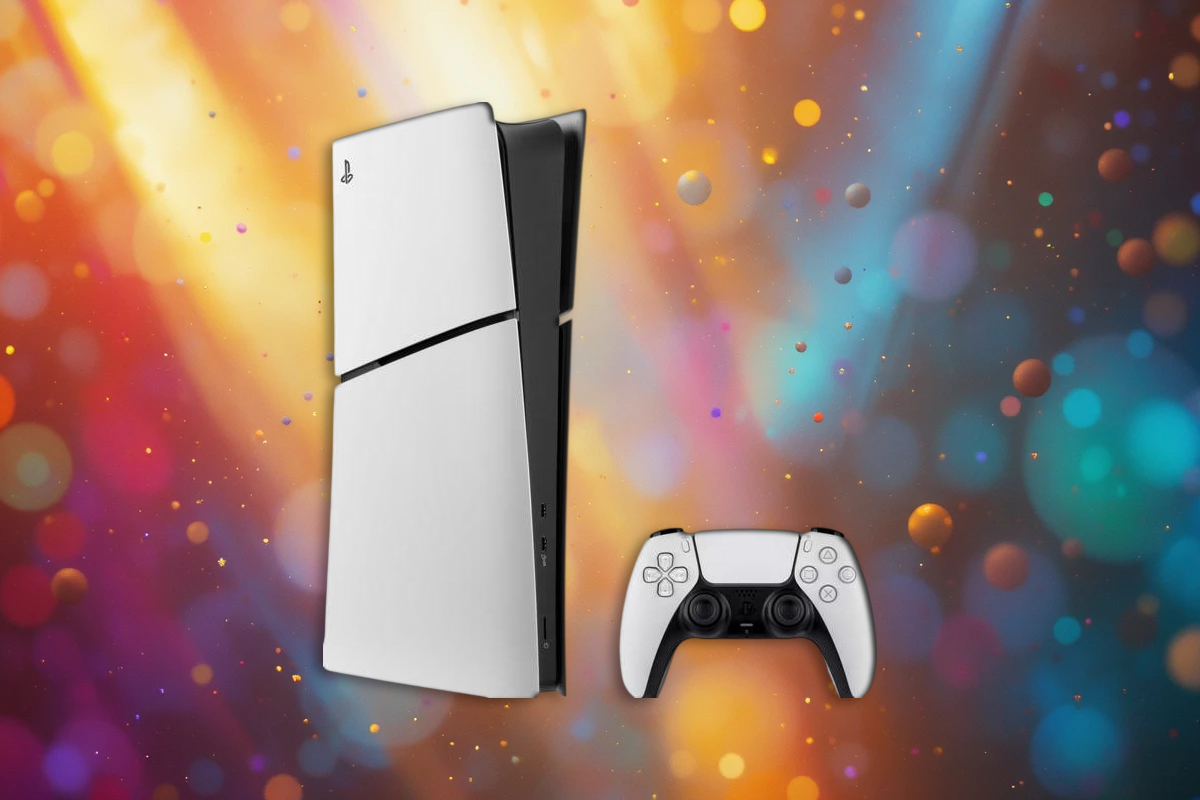
Sony Doubles Down: PS6 Launches Late 2027—Even If RAM Prices Go Nuclear
Pushing back the PS6 would hit Sony’s bottom line harder than just swallowing those sky-high RAM prices. According to insider Moore’s Law Is Dead, the Japanese giant is dead set on a late 2027 launch—and it’s all about the money.
While rumors swirled about a massive delay to 2029 thanks to AI-driven memory price explosions, Sony’s done the math and picked the opposite path. TSMC contracts are already inked, a custom 3nm processor is locked in, and the AMD partnership is sealed tight: Sony’s industrial commitments mean any delay would cost more than just eating the component price hike. And the competition isn’t waiting—Project Helix, the next Xbox, is also gunning for a late 2027 release.

Image credit: Sony


Why delaying the PS6 would cost Sony even more
Sony’s logic might sound counterintuitive. RAM prices are through the roof, production costs are climbing, and yet the company would rather take the hit than push back its console. The reason? One word: commitments. Moore’s Law Is Dead puts it bluntly: “Delaying the PS6 would actually cost Sony more than just paying the inflated memory prices.” Breaking those industrial contracts would trigger massive financial penalties, not to mention the risk of losing their spot in TSMC’s production queue—especially now that the PS5 just smashed past 90 million units sold and momentum is still strong.
Sony’s been here before. Back in 2020, the PS5 launched right in the middle of a pandemic, with supply chains in chaos and components at record prices. They stuck to their guns—even if it meant not meeting demand for nearly two years. That gamble paid off in the end, and all signs point to Sony running the same playbook for the next generation.

The industrial commitments locking Sony into 2027
There’s a relentless industrial machine behind this decision. Sony’s already secured TSMC’s production capacity for the PS6’s 3nm processor, scheduled to start mid-2027. These contracts aren’t easily broken: fine-node manufacturing slots are among the most hotly contested in the world, and every month of delay could bump Sony behind other eager clients.
The console’s custom APU, codenamed Orion, is being co-developed with AMD. Building a bespoke chip like this can run up tens of millions of dollars in R&D. Most of that investment is already sunk. Every link in the chain—silicon design, production line reservations, memory supplier deals—forms a gear train where even the slightest slip comes at a steep price. Here’s what Sony’s already locked in:
- TSMC 3nm production slots reserved for mid-2027
- Advanced development of the Orion APU with AMD
- Tens of millions already poured into silicon R&D
- Memory sourcing strategy tweaked to absorb price spikes
With these massive commitments, pushing the launch to 2029 just doesn’t add up. Sony would rather swallow the RAM price hike—the infamous “RAMmageddon” triggered by AI’s insatiable appetite—than slam the brakes on an industrial pipeline running at full throttle.
A PS6 promising 4K 120 FPS with advanced ray tracing
The PS6 is shaping up to be a true generational leap. The insider claims Sony’s aiming to run games “comfortably” at 4K 120 FPS, with advanced ray tracing switched on. It’s a bold promise—one that echoes the PS5’s launch hype, which fell well short of those lofty targets. This time, though, the specs look a lot more plausible given the planned architecture.
On the CPU front, Sony’s targeting 3 to 4 times the power of the PS5—a jump that could finally fix consoles’ age-old Achilles’ heel in CPU-heavy games, like sprawling open worlds or ambitious strategy titles. For ray tracing, performance is said to be 3 to 6 times faster than the PS5 Pro, and up to 12 times the standard PS5. That could finally make ray tracing a real selling point, especially now that the PS5 Pro has just shown its true colors with improved PSSR. Meanwhile, Sony’s rolling out new ways to keep players hooked in its ecosystem—proof they’re thinking way beyond just hardware.
A 2027 PS6 release date puts Sony head-to-head with Microsoft’s Project Helix, also expected around then, while Valve is quietly prepping its own next-gen Steam Machine. Three next-gen titans, all aiming for the same window: the calendar wars are just getting started, and Sony’s clearly not about to let its rivals steal the show.