Highguard Shuts Down in 45 Days: From 100,000 to 500 Players—An Express Shipwreck
Forty-five days. That’s all it took for Highguard to rocket from launchpad to the live-service graveyard. Wildlight Entertainment’s shooter now sits alongside Concord and Lawbreakers in the pantheon of spectacular flops—possibly setting a new record for fastest crash and burn.
Announced at the 2025 Game Awards and released on January 26, Highguard watched its player base nosedive from 100,000 to under 500 on Steam in just a few weeks. Emergency updates, new modes—nothing could stop the exodus. Wildlight made it official yesterday: the servers will shut down on March 12, just weeks after mass layoffs triggered by Tencent pulling funding.
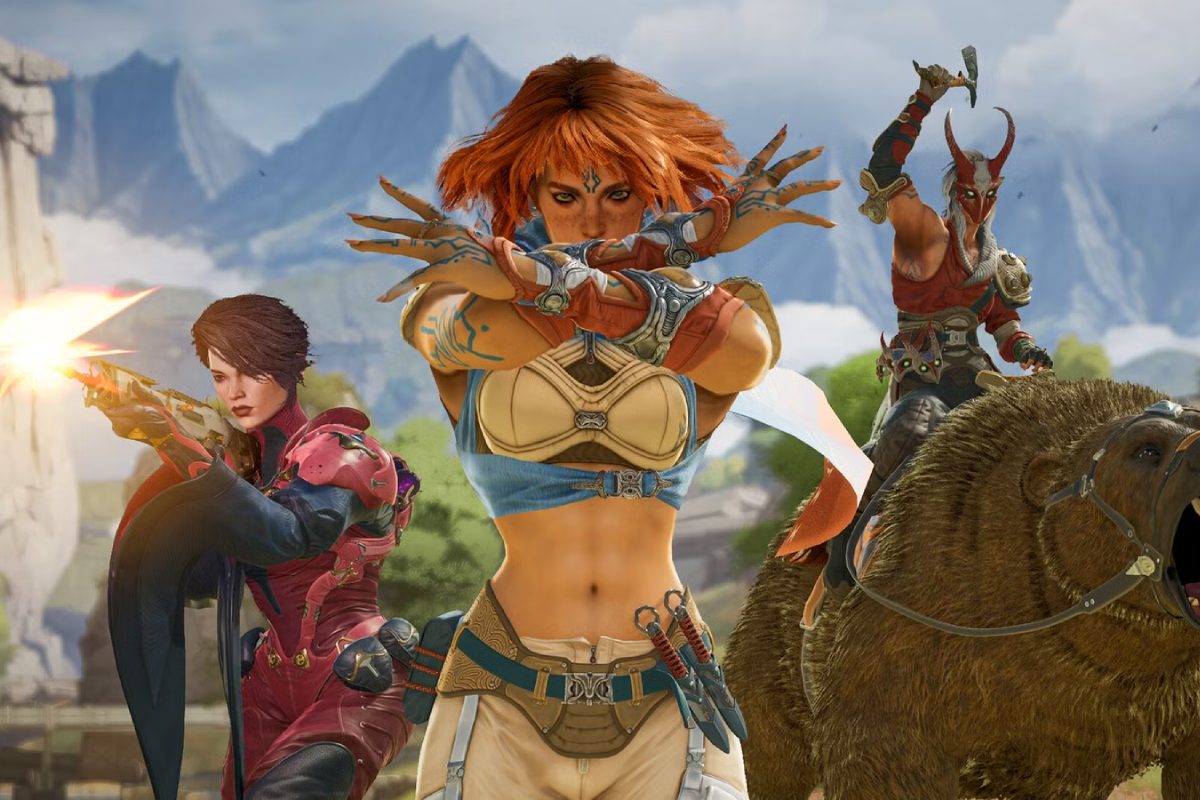
Image credit: Wildlight Entertainment


A historic nosedive: the numbers that sting
Highguard’s Steam stats look like a flatlining EKG. On launch night, January 26, nearly 100,000 players logged in at once. The hype was real. But by the first weekend, the peak never broke 15,000 again. A month later, barely 1,000 were still hanging on. In the days before the shutdown announcement, the game was limping along with fewer than 500 players. In just six weeks, Highguard lost 99.5% of its active PC base.
Sure, Steam numbers don’t tell the whole story—the game was also on PlayStation 5 and Xbox Series X. But they’re the only public metric, and the trend is brutal. Even Concord, which closed after two weeks in 2024, or Lawbreakers, which took months to die in 2017, didn’t bleed out this fast compared to their launch peaks. Wildlight did manage to attract over two million total players since launch. The problem wasn’t getting people in—it was keeping them. And on that front, it was a spectacular failure. Ironically, a leak had teased a new steampunk Warden with killer design—now doomed to never see the light of day.
The official word: Wildlight throws in the towel
Wildlight Entertainment made it official yesterday with a post on social media: Highguard is done. The tone is sober, almost resigned: “Despite the passion and hard work of our team, we couldn’t build a sustainable player base to support the game long-term,” the studio wrote. Servers will stay online until March 12, when the game disappears for good. Wildlight invites the last faithful to jump in “one last time” for a few final matches.
X
— (@PlayHighguard) date
The studio also announced one last update before the end: a new Warden, a new weapon, account-level progression, and skill trees. A bittersweet swan song: adding content to a game almost no one is playing. “Since launch, over two million players have set foot in the world of Highguard. You gave feedback, created content, and many believed in what we were building. For that, we are deeply grateful,” Wildlight added in their farewell message.
Tencent pulls the plug: when metrics become a matter of survival
Behind Highguard’s collapse lies a now-classic live-service industry trap: conditional funding. Tencent, the Chinese giant pouring cash into Western games, was backing Wildlight Entertainment. But this wasn’t a blank check. The money depended on hitting specific metrics—especially player retention rates—numbers Highguard never even came close to.
The result? Just two weeks after launch, on February 11, Wildlight laid off most of its team. Tencent’s funding pull triggered a merciless domino effect. No money, no devs. No devs, no updates. No updates, no players. The vicious cycle closed in record time.
This is the brutal reality of today’s live-service business model. Investors don’t wait for games to find their audience. If the numbers don’t spike in the first days, the money dries up. Dusty Welch, Wildlight’s founder and CEO, even admitted that announcing at the 2025 Game Awards—instead of pulling an Apex Legends-style surprise launch—was “maybe a bit risky in hindsight.” That’s an understatement if there ever was one.
Too many ideas, not enough players: why Highguard never found its crowd
Beyond the financial woes, Highguard suffered from a deeper problem: a muddled identity. The game tried to mash together a dizzying number of mechanics borrowed from wildly different genres. Ford James nailed it in his Polygon review: “At its core, it’s a 3v3 FPS where teams try to destroy each other’s bases, MOBA-style. But there are Rainbow Six Siege-style fortifications, Overwatch-like hero abilities, survival-game mining and resource gathering, trading with merchants, and more. All together, it just makes for a clunky pace.” The cocktail was way too much:
- MOBA-style base destruction in 3v3 teams
- Fortifications inspired by Rainbow Six Siege
- Unique hero abilities à la Overwatch
- Resource gathering and crafting from survival games
- Merchant trading systems
Wildlight did try to adapt. The studio quickly added a 5v5 mode for players who found 3v3 too empty, then made it permanent. Another update axed the prep and loot phases to speed things up. But these patches never fixed the core issue. Steam reviews were mostly negative from day one—a rejection no amount of tweaking could reverse.
With its shutdown on March 12, Highguard joins the ever-growing graveyard of live-service games gone too soon, alongside Concord, Lawbreakers, and Anthem. Its claim to fame: the fastest hope-crash-shutdown cycle in the genre’s history. As other, more promising steampunk games line up for 2026, one question remains: how many studios will have to crash and burn before the industry stops chasing the ghost of the “next Apex”?
 PC, PlayStation 5, Xbox Series X|S