Why Crimson Desert Is Ditching Microtransactions While Every Other AAA Game Doubles Down
Full stop. Two words, and Pearl Abyss buries any hope of microtransactions in Crimson Desert. No cosmetic shop, no premium currency—just buy the game and enjoy it, plain and simple.
For a studio built on free-to-play, announcing a premium game with zero cash shop feels like a wild gamble. Yet that’s exactly what Pearl Abyss confirmed on the Dropped Frames podcast, courtesy of marketing director Will Powers. Crimson Desert, set to launch March 19 on PS5, Xbox Series X/S, and PC, arrives just as Sony drops a historic 60-minute State of Play and the AAA competition is more hooked on in-game purchases than ever.
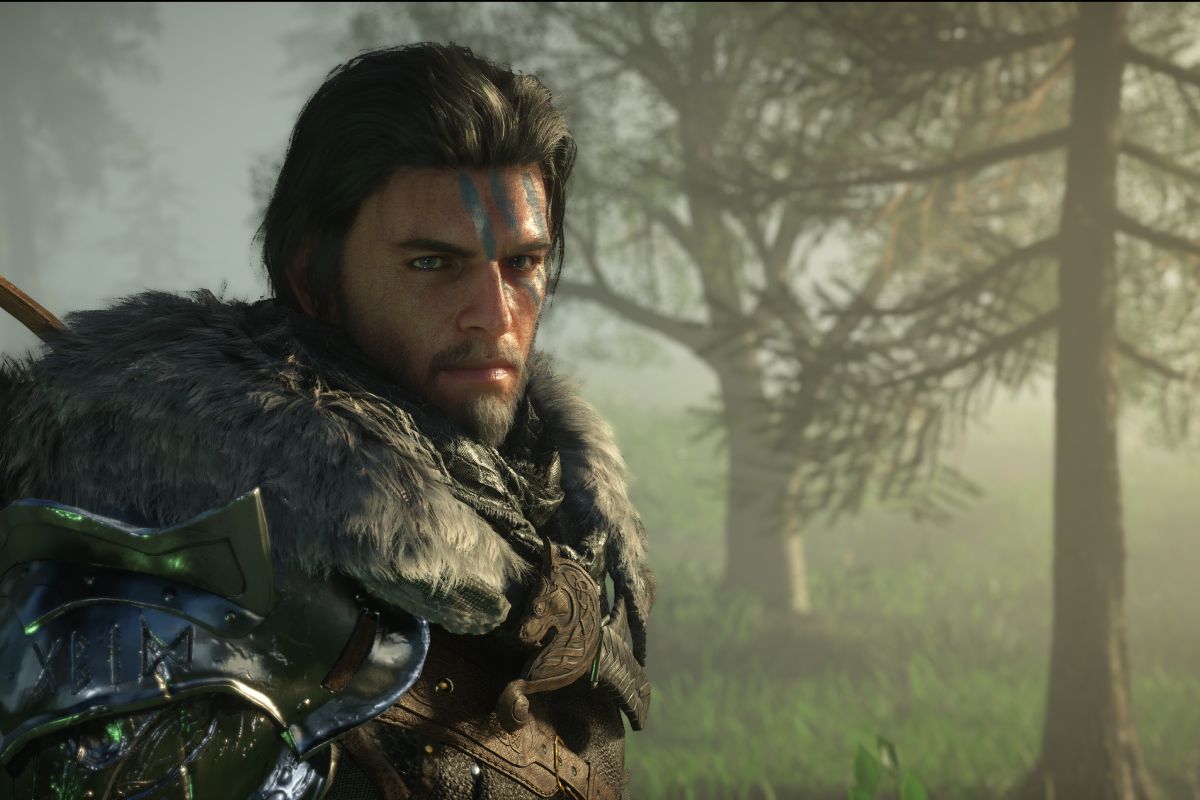
Image credit: Pearl Abyss


A statement that cuts against industry standards
Will Powers didn’t mince words. On Dropped Frames, the Pearl Abyss marketing and PR director was crystal clear: “I can say definitively, there is no cosmetic shop. This is designed as a premium experience that you buy and enjoy, not something built for microtransactions. It’s a premium experience. That’s the transaction. Full stop.” Hard to get more direct than that.
This stance stands out in a gaming landscape where in-game shops are the norm—even in full-priced titles. Assassin’s Creed Shadows, Call of Duty: Black Ops 7: recent AAA games charging top dollar while still pushing cosmetic purchases are everywhere. Even Grand Theft Auto VI, one of the most anticipated games in years, is almost certain to pack its own microtransaction punch, given GTA Online’s legacy.
Okami
— (@Okami13_) date
A business model straight out of the pre-microtransaction era
In practice, “premium experience” here means a single purchase unlocks everything. No sneaky season pass, no skins locked behind a virtual paywall, no in-game currency to buy with real cash. Everything Crimson Desert offers is yours from the moment you start: a map twice the size of Skyrim and bigger than Red Dead Redemption 2, combo-driven combat, crafting, and food buffs galore.
For a whole generation of gamers, this isn’t revolutionary—it was just the norm a decade ago. But the industry’s pivot to endless monetization means going back to this model now feels almost like a political statement. Will Powers even broke down the logic: “If you’re doing free-to-play, you have to make up the difference somewhere. Here, it’s a premium experience.” The studio is betting that the upfront price alone will pay for the project.
A gutsy business gamble just a month before launch
Announcing a total ban on microtransactions just a month before launch is no small thing. Crimson Desert has already gone gold—the final version is locked in—and Pearl Abyss seems confident enough to rely solely on launch sales. There’s no financial safety net: if the game flops at release, there’s no cash shop to soften the blow.
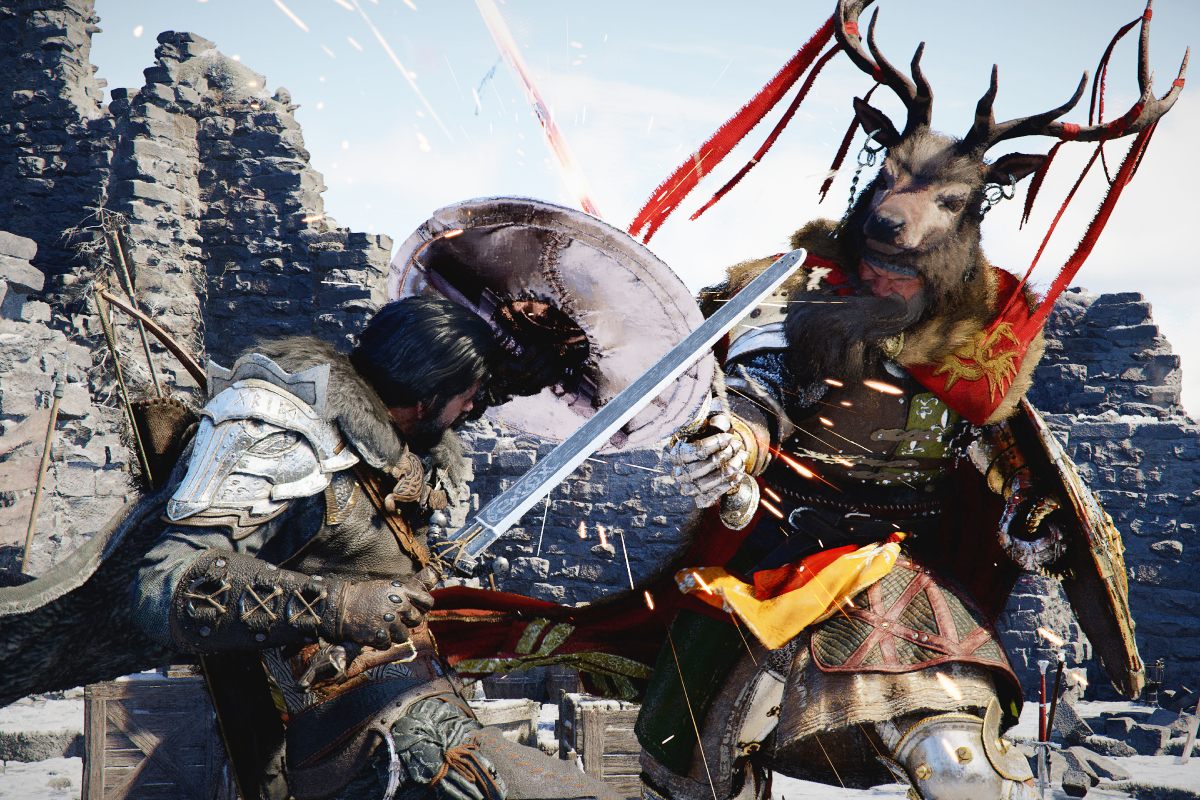
That confidence shows elsewhere, too. Rumor has it Sony tried to lock down Crimson Desert as a PS5 exclusive, but Pearl Abyss reportedly turned them down to ensure a simultaneous launch on all three platforms. The Korean studio is determined to keep full control of its vision, even if it means saying no to the financial cushion of an exclusive deal. Will Powers also wanted to clear up a key gameplay point: “It’s not a Soulslike. ‘Soulslike’ has specific connotations—like tight dodge windows. Here, it’s way more combo-focused, and you set the pace of combat.” The idea: offer a real challenge, but never leave players stuck. Here’s what the game promises in terms of accessibility:
- A non-linear progression system, so you can leave a tough boss and explore elsewhere
- Food buffs and camps to prep before big fights
- Craftable resurrection items for a second chance in battle
- The freedom to over-prepare for any encounter through crafting and side quests
As Powers puts it with a grin: “Does that mean the game is easy? Absolutely not. But it adds a layer of accessibility so you’re never totally stuck, which is super important in a single-player game.”

On March 19, Crimson Desert will have to prove its old-school business model can stand up to the industry giants. Pearl Abyss has laid its cards on the table with a level of honesty you rarely see in this business—but whether the game’s content lives up to the promise is another story. In a crowded market, skipping microtransactions alone won’t be enough to win over players.
 Crimson Desert, PC, PlayStation 5, Xbox Series X|S