From Game Awards Glory to Mass Layoffs: The Tragic Fall of Highguard
In December, Highguard closed out the Game Awards, basking in the global spotlight. By February, it was the studio doors slamming shut for most of its developers. Seven weeks—that’s all it took for the rise and fall.
On February 11, 2026, Alex Graner, senior level designer at Wildlight Entertainment, announced on LinkedIn that he’d been laid off along with “most of the team.” Highguard, the studio’s debut game, had only launched on January 26. Two hours after Graner’s post, Wildlight confirmed the departures in a terse statement on X, assuring that a “core group of developers” would remain.
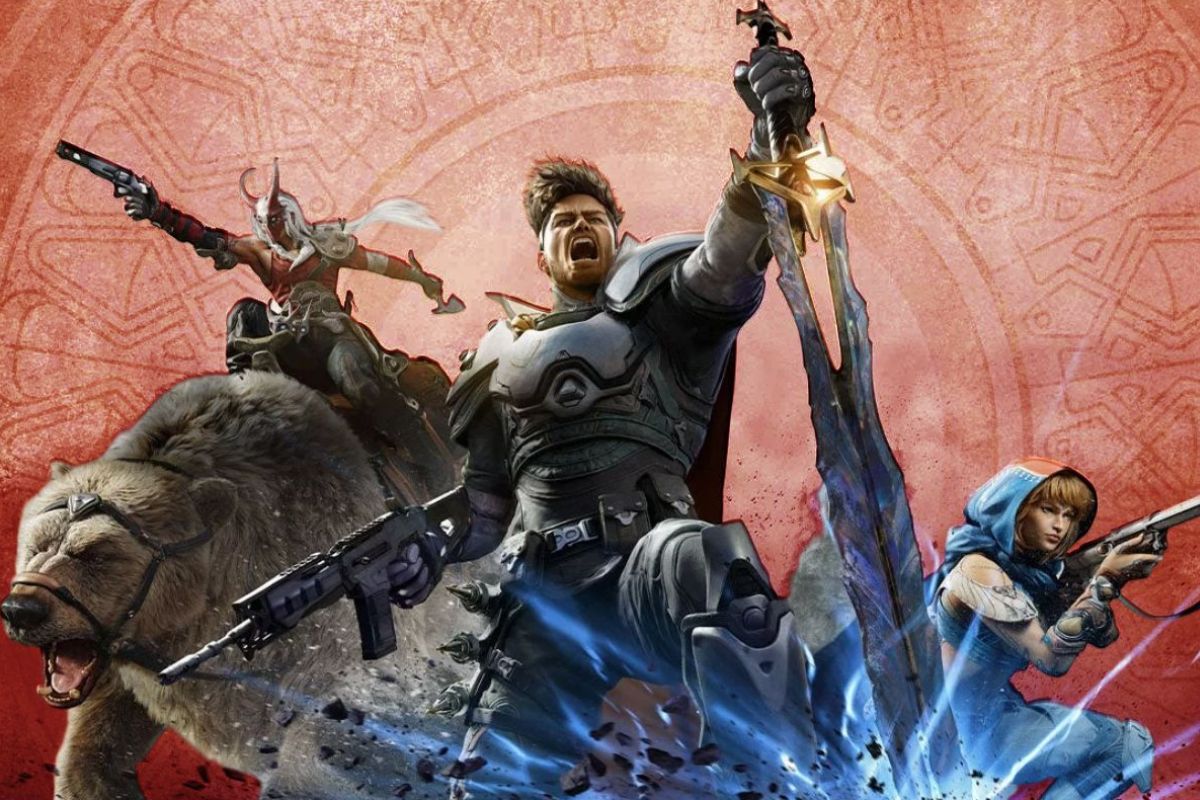
Image credit: Wildlight Entertainment


The Game Awards gamble that was supposed to change everything
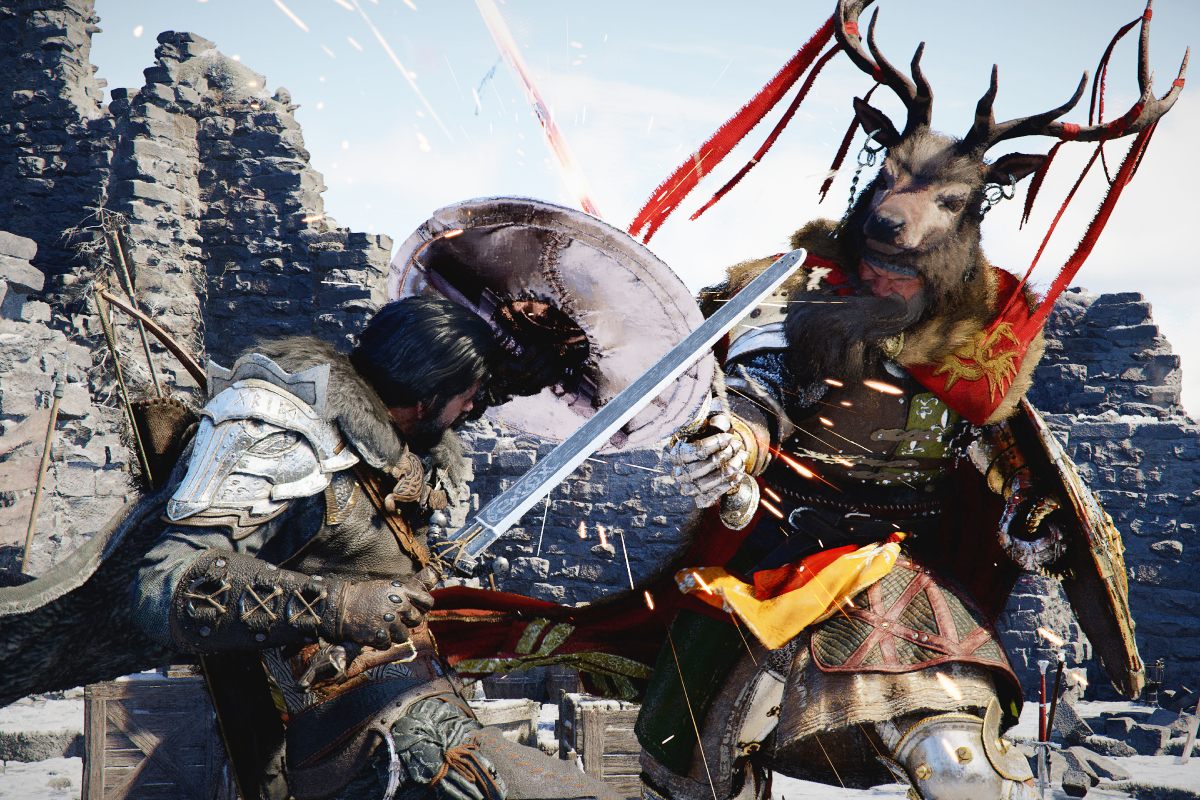
In December 2025, Highguard snagged the most coveted slot at the Game Awards: the legendary “one more thing” reveal, that final mic-drop moment meant to leave the world buzzing. It was a jaw-dropping move, especially since Wildlight Entertainment hadn’t planned for that kind of spotlight. The studio was eyeing a shadow-drop—a stealth launch with zero hype. But Geoff Keighley himself reportedly convinced the team to seize the stage and introduce themselves to the masses.
The trailer was a visual feast, but left viewers hungry for substance. No gameplay, no clear sense of what the game actually was. For a whole month, the studio’s radio silence fueled wild speculation—and the community didn’t hold back. The “just another live-service hero shooter” label stuck fast, with endless comparisons to Concord and its infamous flop lighting up social media. Whatever goodwill Highguard had earned at the Game Awards evaporated as the weeks ticked by with no real info.
A launch in the storm
By the time Highguard launched on January 26, 2026, the damage was already done. Critics were cautiously optimistic, with several outlets praising the game’s fresh spin on the competitive shooter genre. But on Steam, players were far less forgiving—mostly negative reviews poured in from day one. The gap between press buzz and player verdict was immediate, likely made worse by the massive success of ARC Raiders, which had just launched to huge acclaim.
Wildlight scrambled to respond. The 3v3 format, slammed for being too slow, was swapped out for a permanent 5v5 mode after player feedback. By February 7, the studio had already dropped a new playable character and rolled out major gameplay tweaks. They even promised more frequent updates than Apex Legends—a game several team members had worked on before. With a full year of content mapped out, Wildlight looked determined to turn the tide.
For a moment, it seemed like the ship might steady. But just four days after the new character’s debut, a very different announcement hit.
The axe falls on February 11
The layoffs hit every corner of the studio: gameplay engineers, software engineers, UI designers, and more. Alex Graner didn’t hide his bitterness in his LinkedIn post: “It really hurts, because there was so much unreleased content I was excited for—stuff I and others had built for Highguard.” All that work, a year-long roadmap, suddenly derailed by harsh economic reality.
Two hours later, Wildlight issued a perfectly polished corporate statement on X.
statement
&mdash ; (@WildlightEnt) date
The studio insisted a “core group of developers” would stay on to keep the game alive. But with “most of the team” gone, it’s fair to wonder what this tiny crew can actually pull off.
A statement that hits different now
Back in January, just days before Highguard launched, studio director Chad Grenier declared confidently: “It doesn’t matter if the game draws a thousand people or a hundred million.” At the time, it sounded reassuring—a way of saying that creative vision came first, not numbers. Three weeks later, that line rings painfully hollow. Because in the end, the numbers did matter—enough to send most of the team packing.
The Highguard saga is part of a bigger trend shaking the games industry. Mass layoffs are everywhere, and the live-service hero shooter model keeps claiming new victims. Launching a service game takes a massive, ongoing investment and a big team to keep content flowing. When the player base doesn’t show up, the math just doesn’t work—even for a studio promising a year of updates.
Now, the question is what Wildlight’s skeleton crew can actually do with Highguard in the weeks ahead. With so much content built but never released, and promises left hanging, the game is adrift in stormy waters—with only a handful of crew left at the helm.
 PC, PlayStation 5, Xbox Series X|S