Crimson Desert: Pearl Abyss Just Proved Patience Pays Off (Literally)
Patience is an art—and Crimson Desert just turned it into a business model. This RPG, which needed two weeks to win over testers, only took seven days to flip Steam, the Seoul stock exchange, and 3 million players on their heads.
In an industry obsessed with grabbing your attention from the title screen, Crimson Desert went the other way. The result? Cautious reviews at launch, Pearl Abyss stock nosediving 30%, and a split Steam community. But the tide turned as fast as it rose, and an emergency mega-patch changed the game—literally and figuratively.
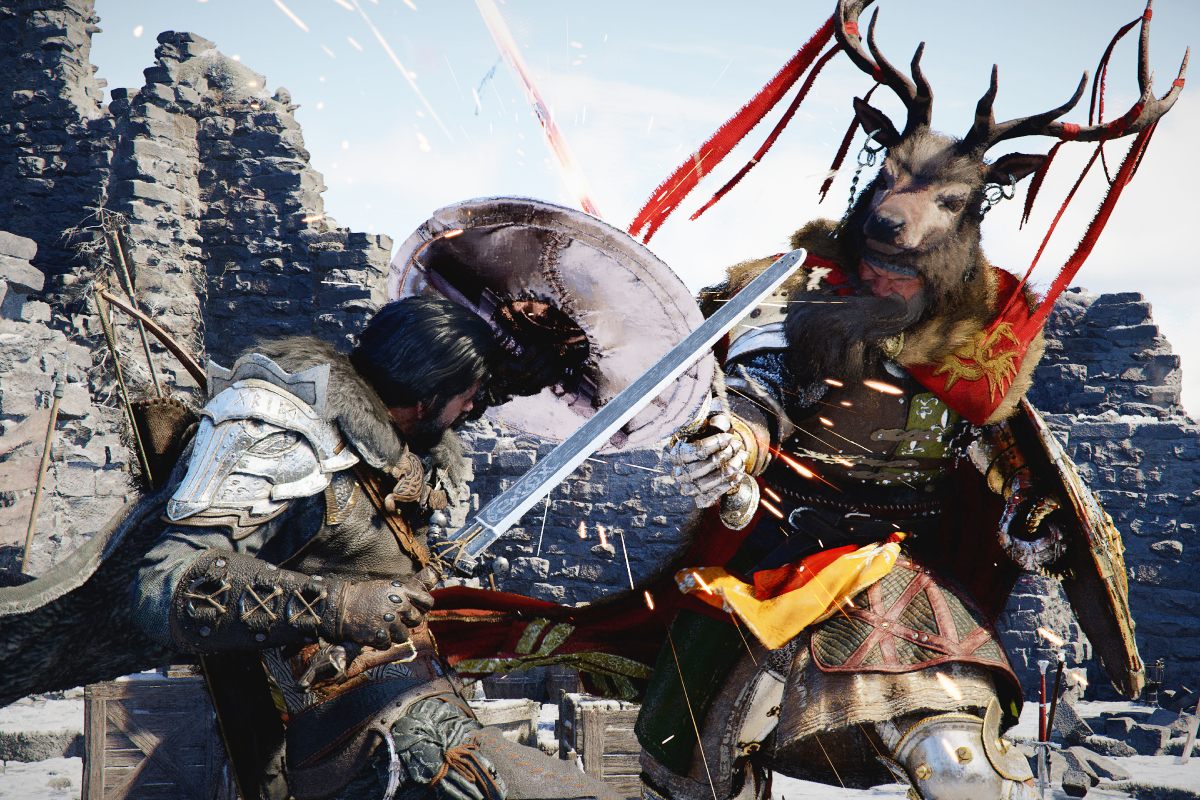
Image credit: Pearl Abyss


Pearl Abyss’s wild gamble: an RPG that doesn’t hold your hand
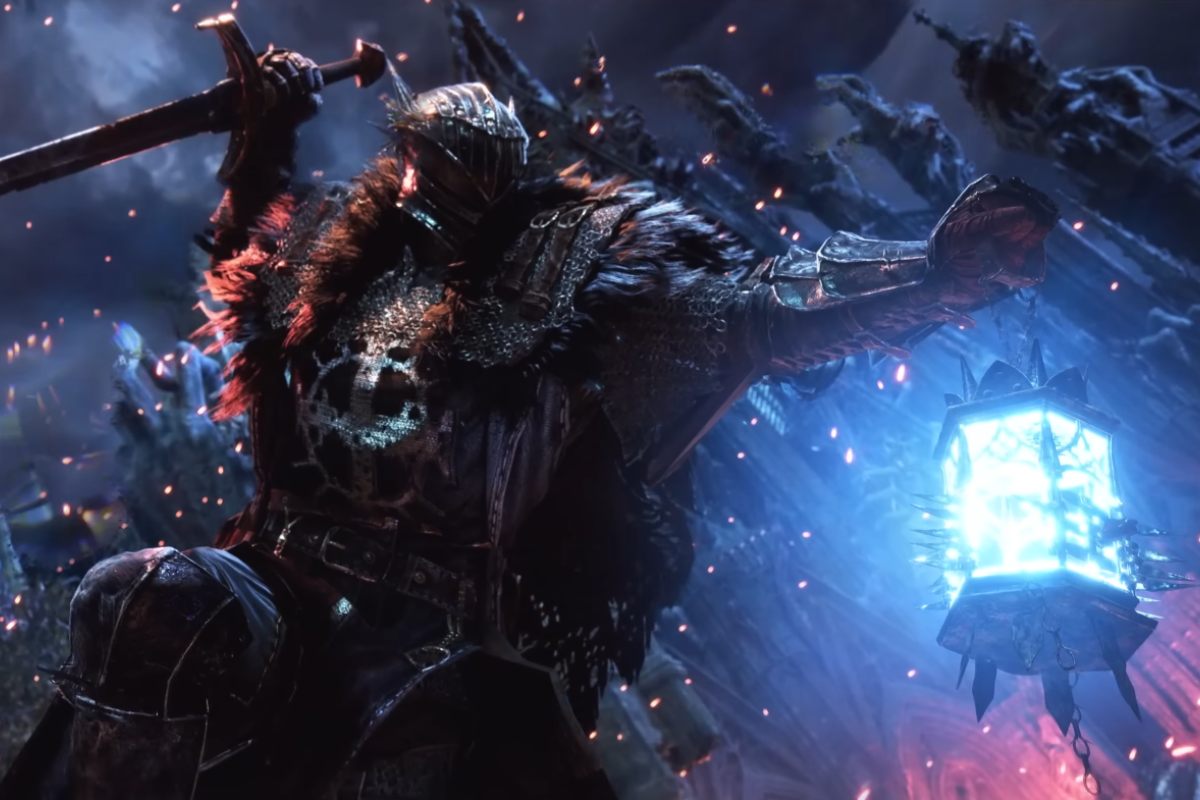
While most modern AAA games roll out the red carpet of tutorials, glowing markers, and spoon-fed mechanics, Crimson Desert tosses you into its open world with a firm handshake and a “good luck.” No pop-ups explaining every system, no giant arrows telling you where to go. The mechanics layer and intertwine, and you have to watch, experiment, and sometimes fail to figure out how it all fits together. A radical design choice—and when you add in the control issues Pearl Abyss openly acknowledged, it sparked a first wave of very mixed reactions.
The timing didn’t help either. After the pre-launch hype that bordered on hysteria, everyone expected fireworks. Instead, the opening hours felt like a puzzle with no box art. Early reviews echoed that frustration, and technical compromises on console didn’t help. Steam’s “Mixed” status at launch seemed to seal a harsh verdict in stone. But Pearl Abyss knew something the market didn’t: complexity isn’t a flaw when it hides real depth.
The reward for patience: 3 million players hooked
The turnaround happened in just a few days. Players who stuck it out past the chaotic opening hours discovered a world where every system talks to the others, exploration leads to real discoveries, and mastering the mechanics brings a sense of satisfaction few recent games can match. As GameSpot’s 7/10 review put it: “Crimson Desert’s spectacular open world and thrilling combat are only held back by a few narrative and comfort issues.” That was before the big updates—now, it hits differently.
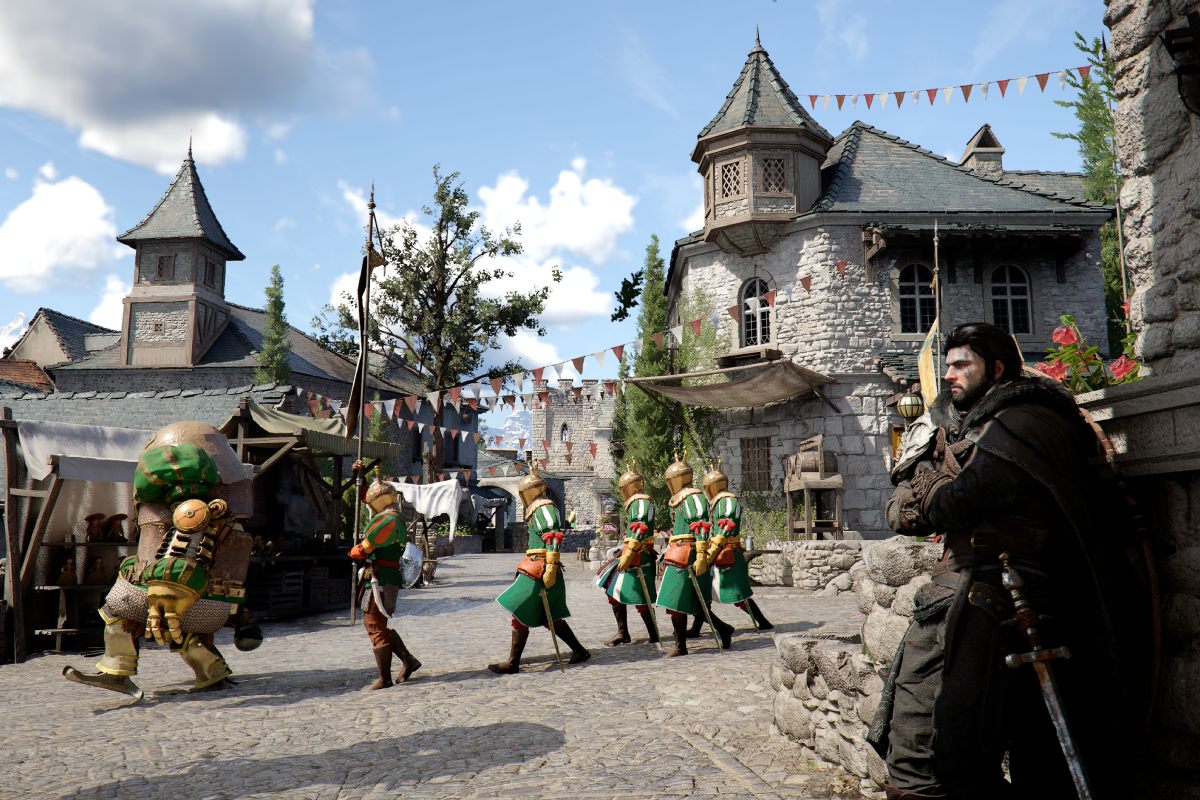
Word of mouth did the rest. In less than a week, Steam’s status flipped from “Mixed” to “Very Positive”—a near-miracle for a game this size. Two million copies sold in the first 24 hours became 3 million by week’s end, powered by a community that took over from the pro critics. What players found was an RPG that doesn’t bend to please you: you change as you learn to understand it. Bonus detail: try to leave the map and you’ll get eaten by a whale. Even the game’s borders have attitude.
What finally won over the skeptics? Here’s the list:
- An open world whose density reveals itself over time—no map cluttered with generic icons
- Combat systems that are tough but deeply rewarding once you master them
- Mechanics that interconnect and reward experimentation
- Pearl Abyss’s rapid fixes for the biggest community-flagged annoyances
Wall Street approves: +26% on the stock market after sales news
Financial markets have short memories but sensitive wallets. When the reviews dropped last week, Pearl Abyss shares on the Seoul Exchange tanked 30%—investors saw it as a flop in the making. Seven days later, news of 3 million copies sold sent the stock soaring over 26%, erasing nearly all the losses. Year-on-year, the stock is now up 56%, though it’s still down about 18% over five years—a reminder that Pearl Abyss’s road hasn’t always been this triumphant.
This stock market yo-yo says it all: financial analysts, like game reviewers, judged Crimson Desert way too fast. The Korean studio took a gamble that could have cost them dearly—especially since they chose a premium model with zero microtransactions, bucking the industry trend. No season pass, no cosmetic shop: the game stands on its own, and 3 million sales prove that this approach can still work in 2026. Pearl Abyss ends the week up 26% since January and with its investor cred fully restored.
Crimson Desert sends a message the industry can’t ignore: players are ready to invest time in a game that respects their intelligence, and sales numbers always catch up with quality. The real question: will Pearl Abyss stick to its guns with future updates, and will other studios dare to follow suit?

 Crimson Desert, PC, PlayStation 5, Xbox Series X|S